Back to homeHome
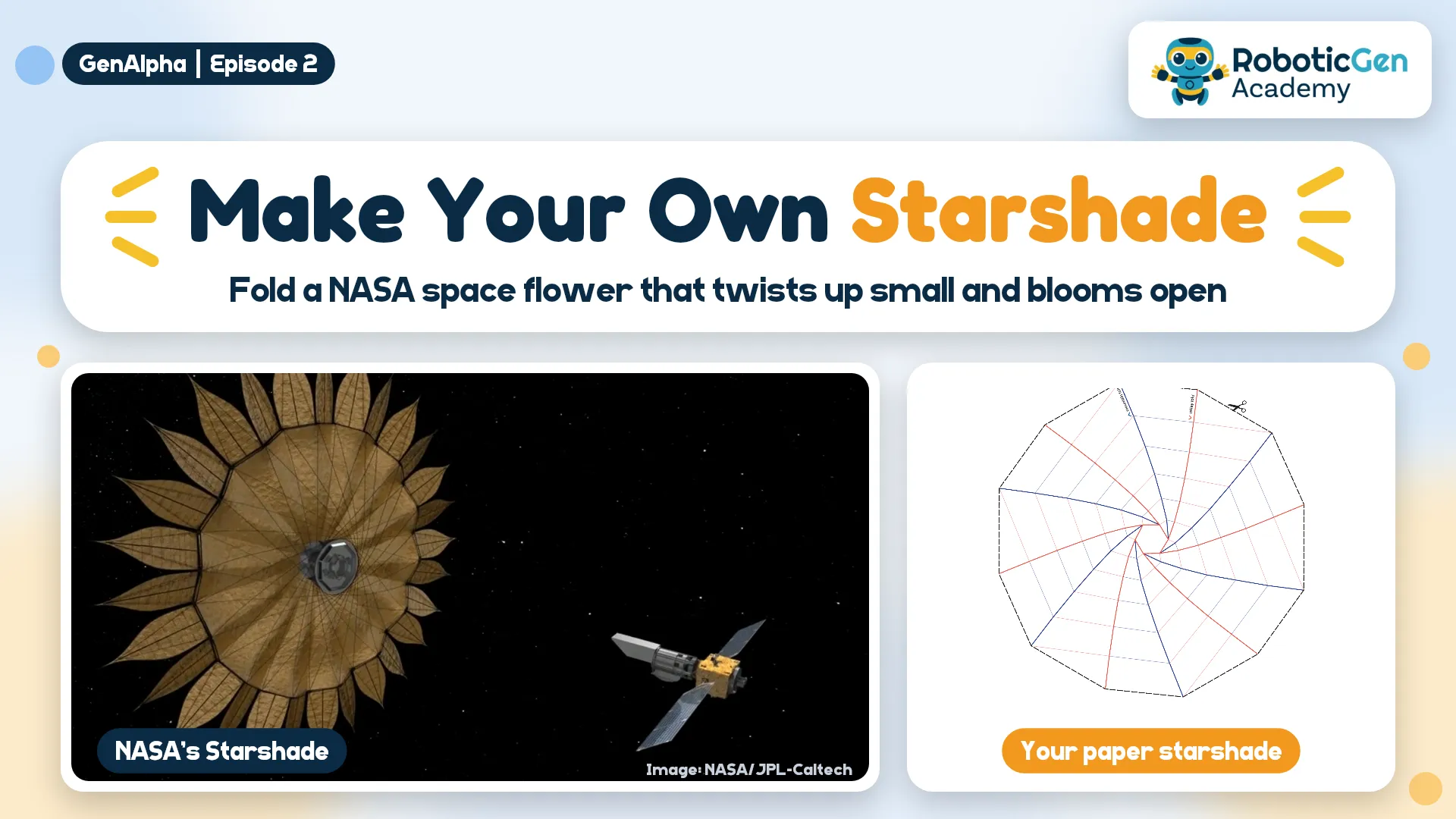
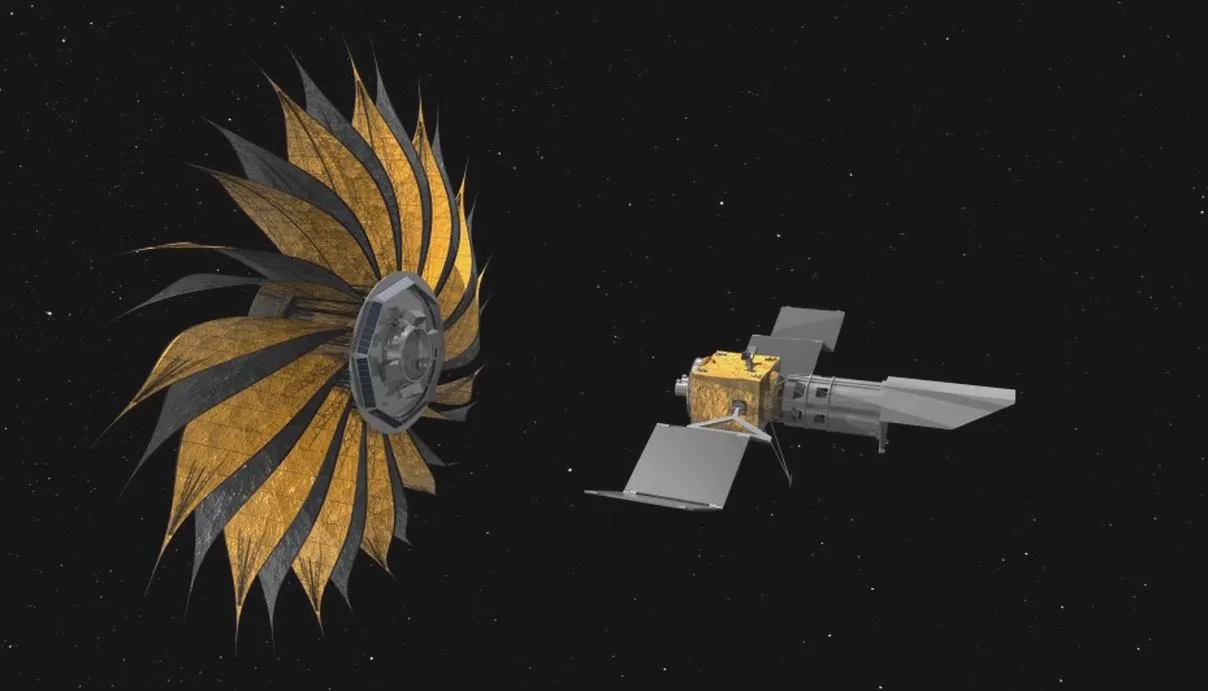
Make Your Own Starshade: NASA starshade in space next to a paper starshade fold pattern
OtherFeatured

Starshade - GenAlpha E02

NASA designed a giant "space flower" that folds up small enough to fit in a rocket, then blooms open to block a star's glare so we can see its planets. Fold your own paper starshade that wraps into a spiral and opens with a twist, then test it with a torch.

  • origami
  • space
  • nasa
  • starshade
  • folding
  • engineering
  • paper craft
  • planets
  • telescope
  • gen alpha
  • ODOdil Janandith
    Oct 26, 20262 views
    Download PDF

    Supplies and tools

    • Starshade template printed on A4 paper
    • Scissors
    • A ruler and an empty ballpoint pen (for scoring the folds)
    • A bright torch (the "star")
    • A small LED or bead (the "planet")
    • A phone or camera to film your build

    Comments (0)

    Sign in to leave a comment.

      Browse projects

      Published builds from the RoboticGen community — featured picks first.

      Sort by
      Featured firstNewestMost viewedMost starred
      Featured onlyAllRoboticsElectronicsIoTCoding & SoftwareAI / MLDrones3D PrintingSensors & AutomationCompetitionsOther

      Step 1: Watch the episode

      Step 2: Meet the Starshade

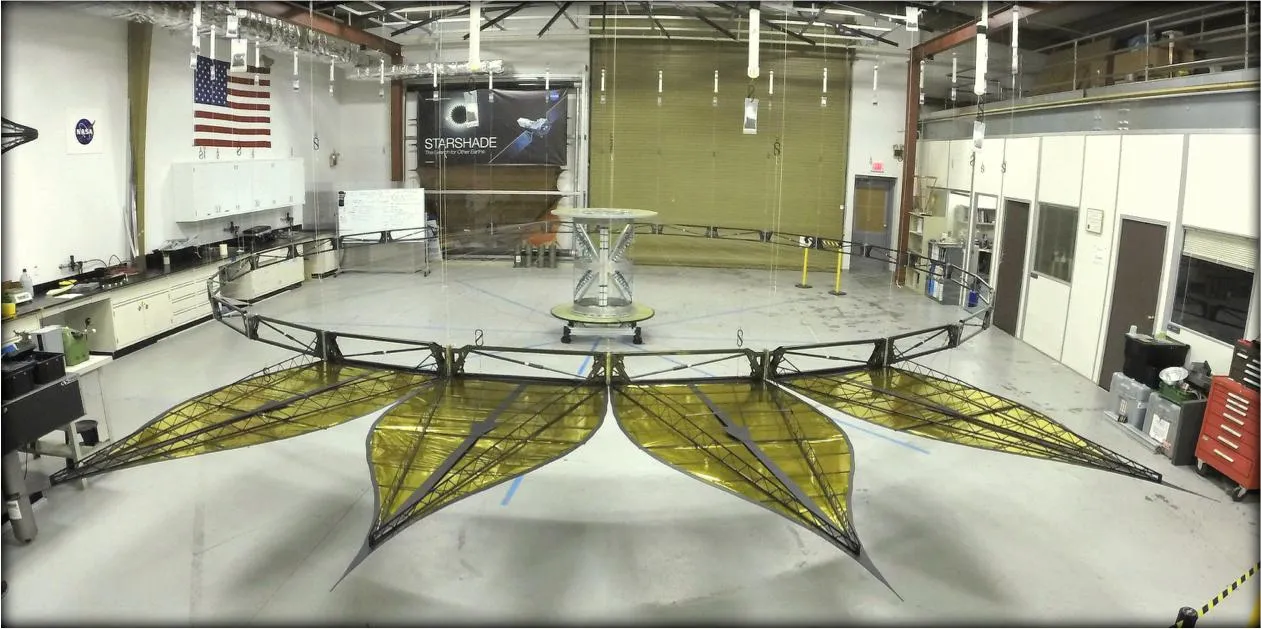
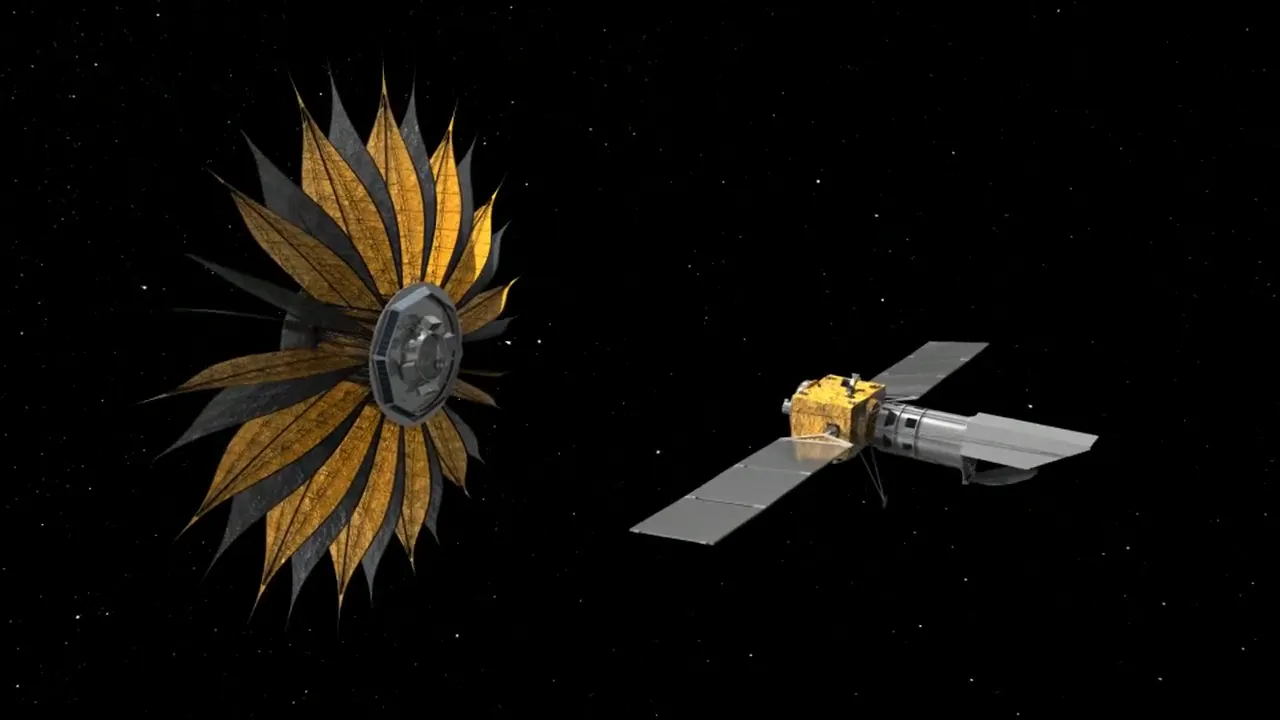
      NASA starshade fully open in space next to a telescopeNASA JPL engineers testing a starshade unfolding on Earth

      Step 3: Print and cut the template

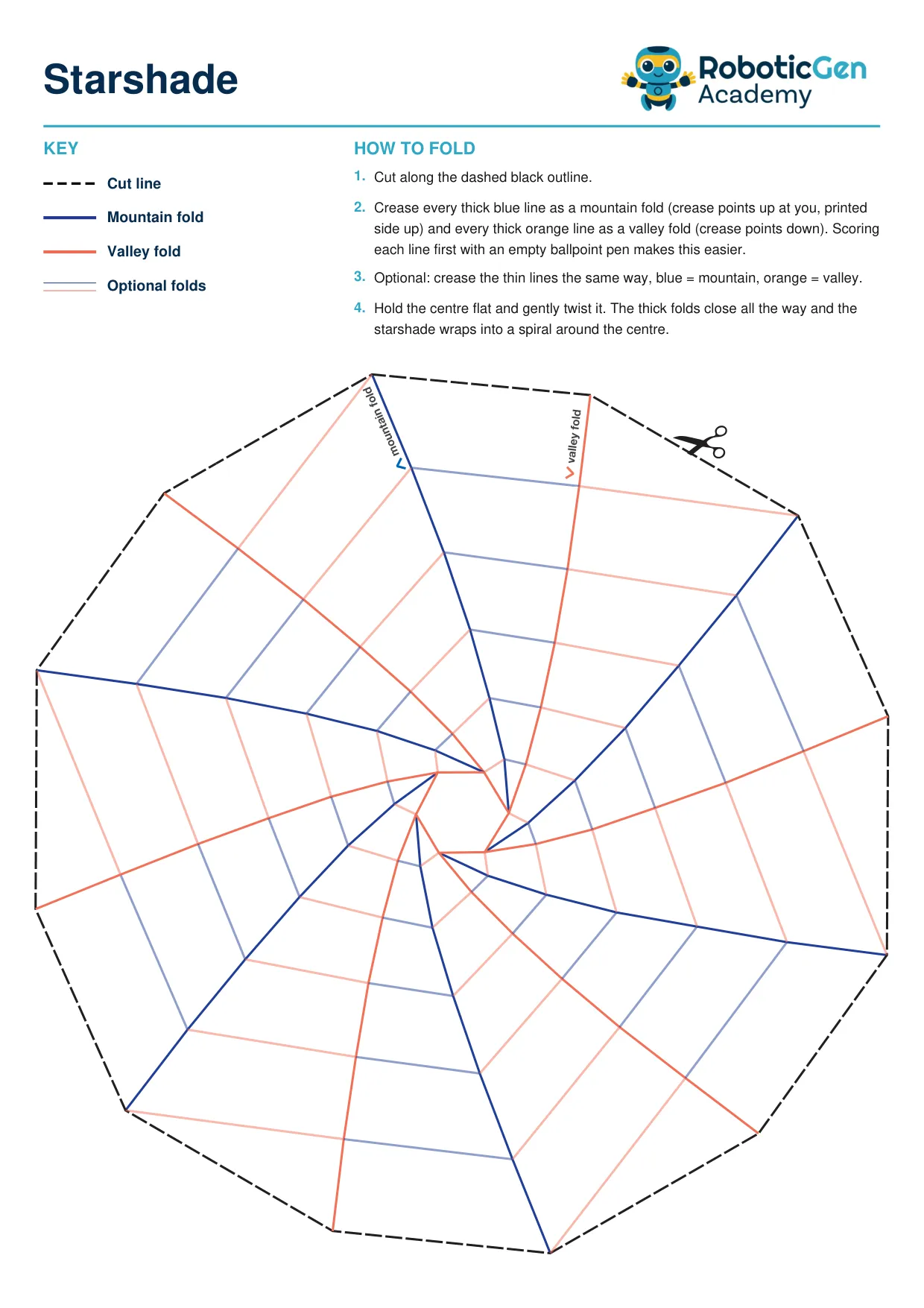
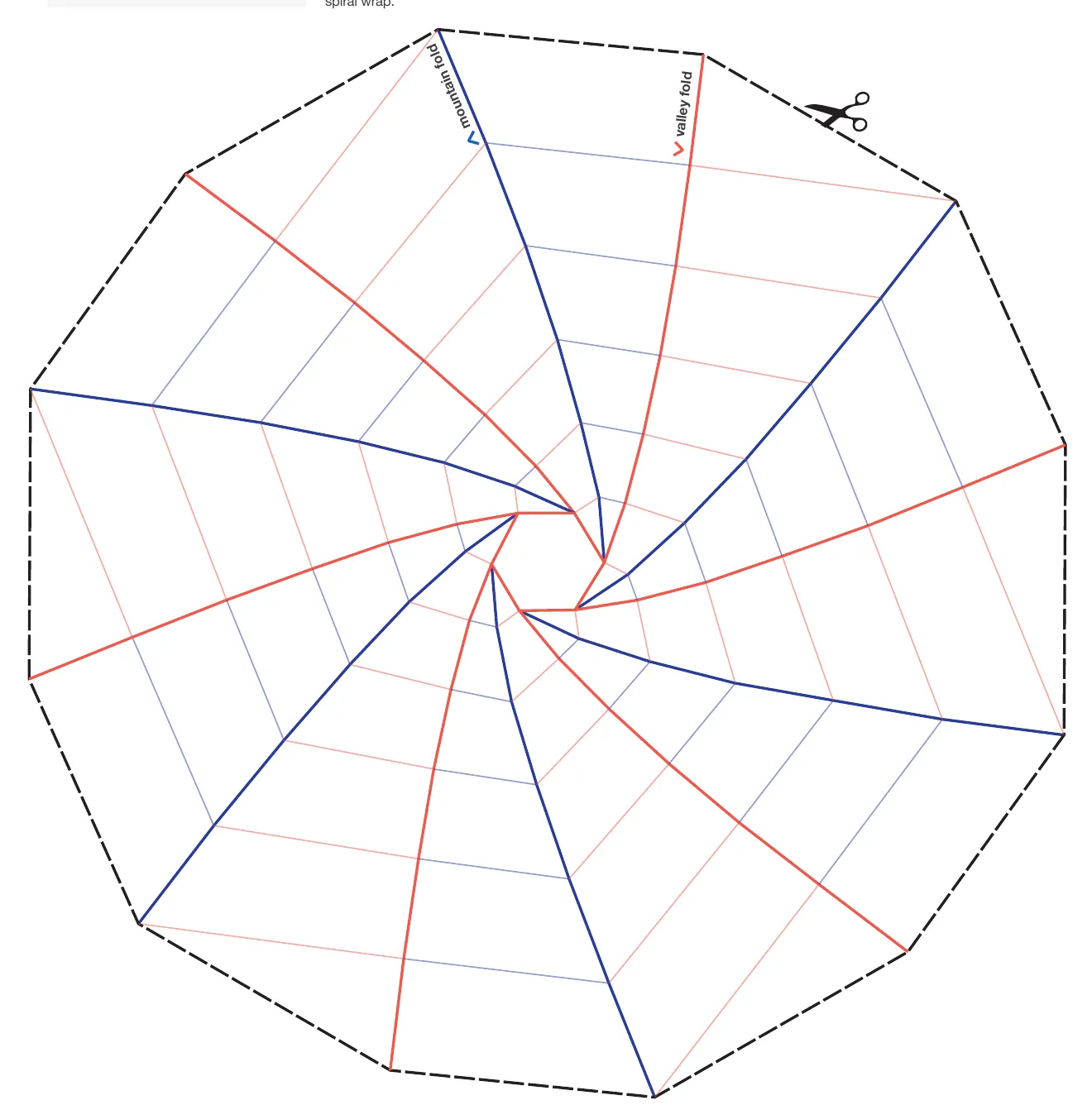
      Starshade template with cut line, mountain folds and valley folds

      Step 4: Score the fold lines

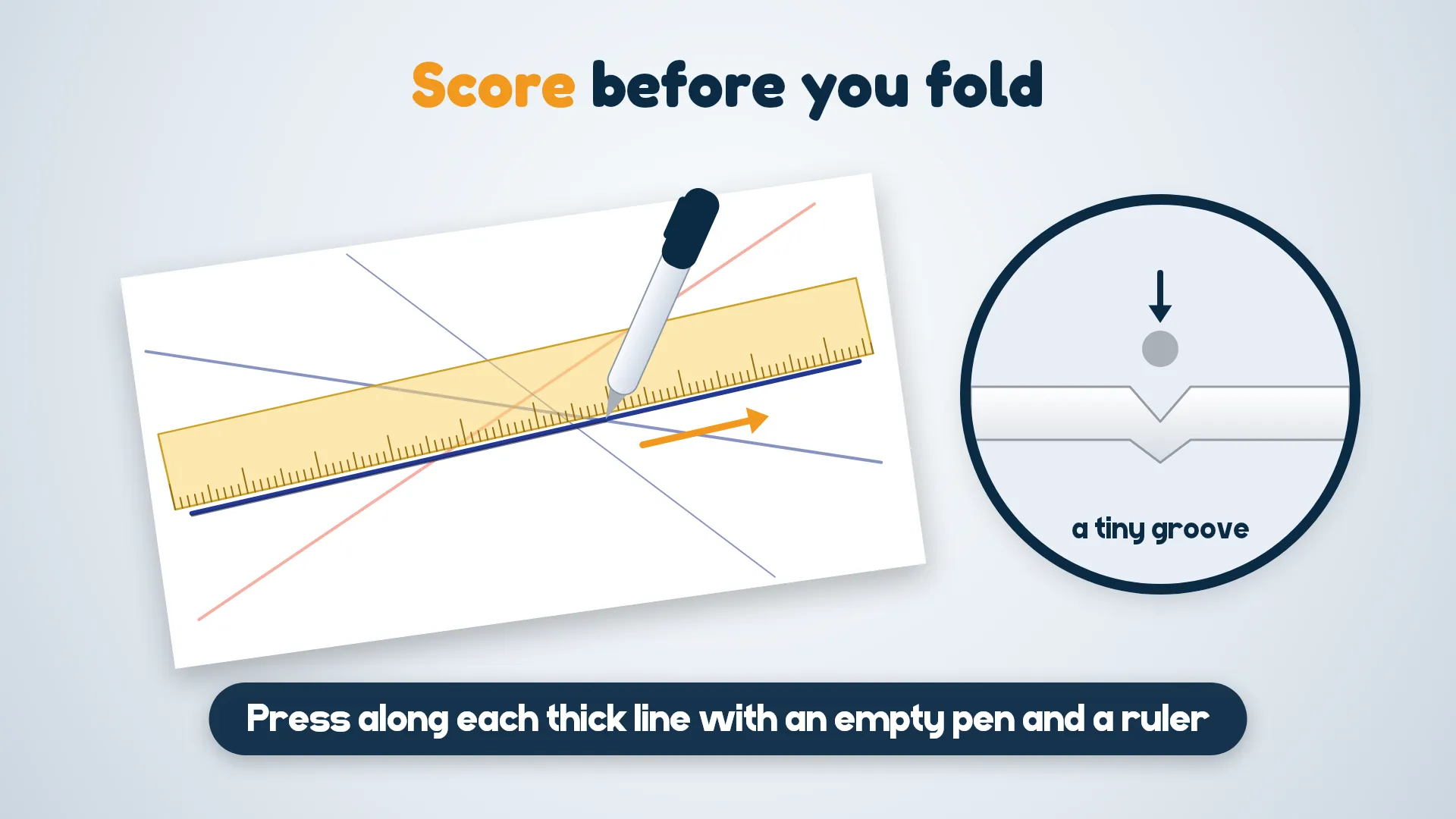
      Scoring a fold line with a ruler and an empty pen leaves a tiny groove

      Step 5: Fold the mountains and valleys

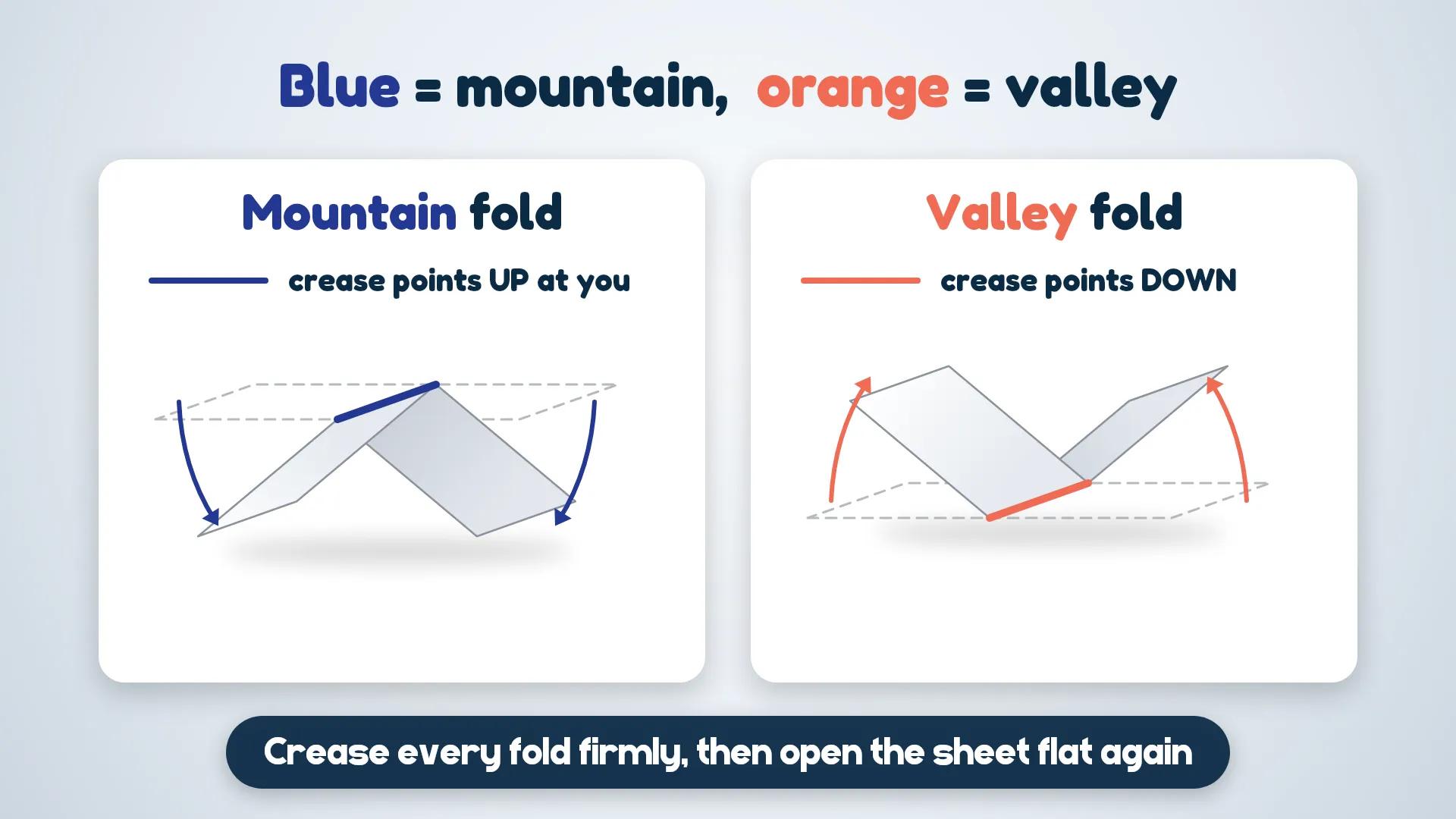
      Mountain fold: crease points up. Valley fold: crease points downStarshade crease pattern: blue mountain folds and orange valley folds

      Step 6: Twist it into a spiral

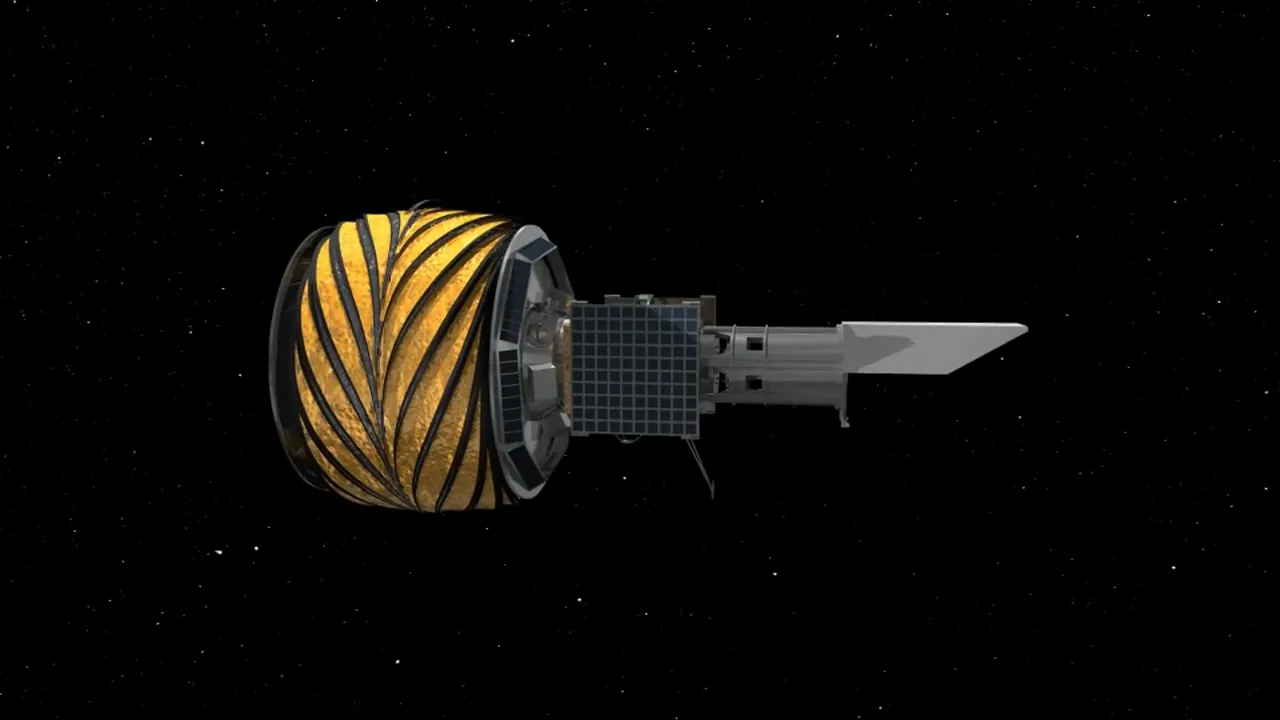
      Starshade wrapped up small in a spiral, ready for launch

      Step 7: 3, 2, 1... DEPLOY!

      Starshade blooming open in space

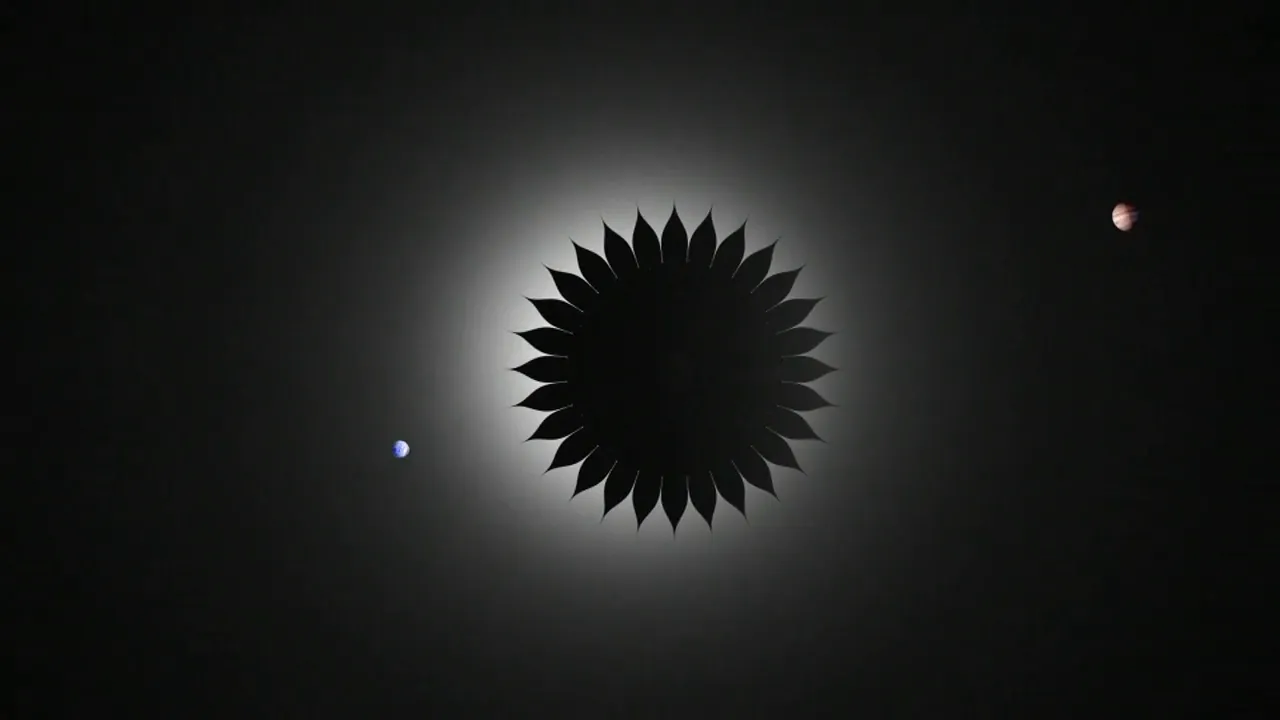
      Step 8: Block the star, find the planet

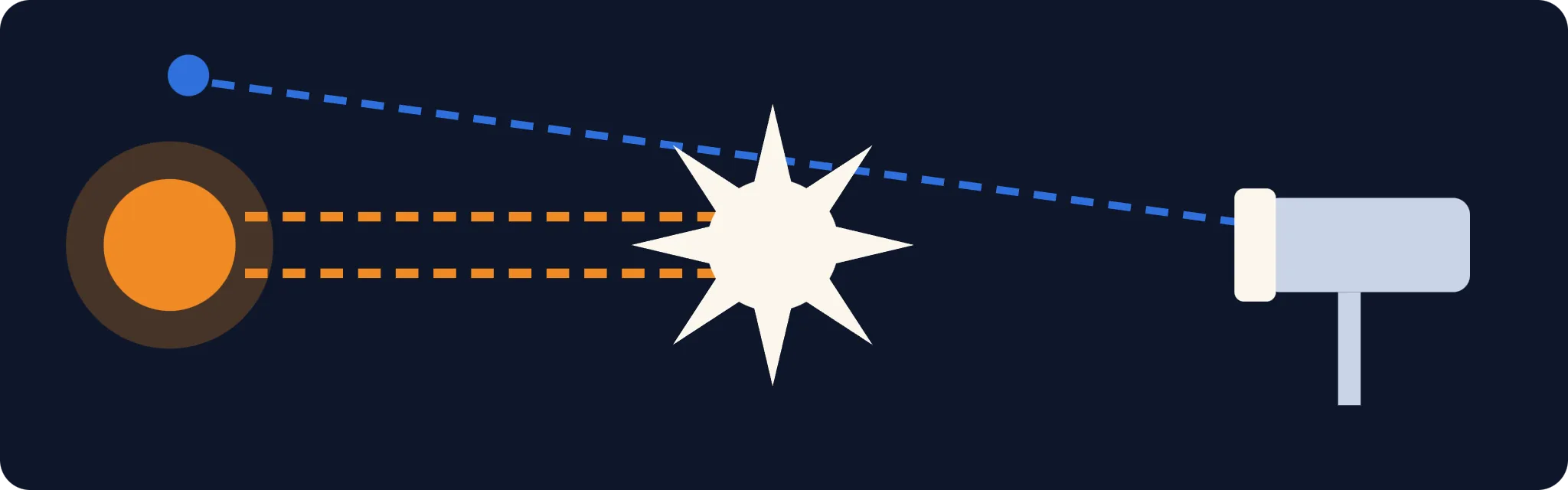
      A starshade blocks the star so the telescope can see the planetPlanets appear once the starshade blocks the star glare

      Step 9: Your turn: build it and submit your build!

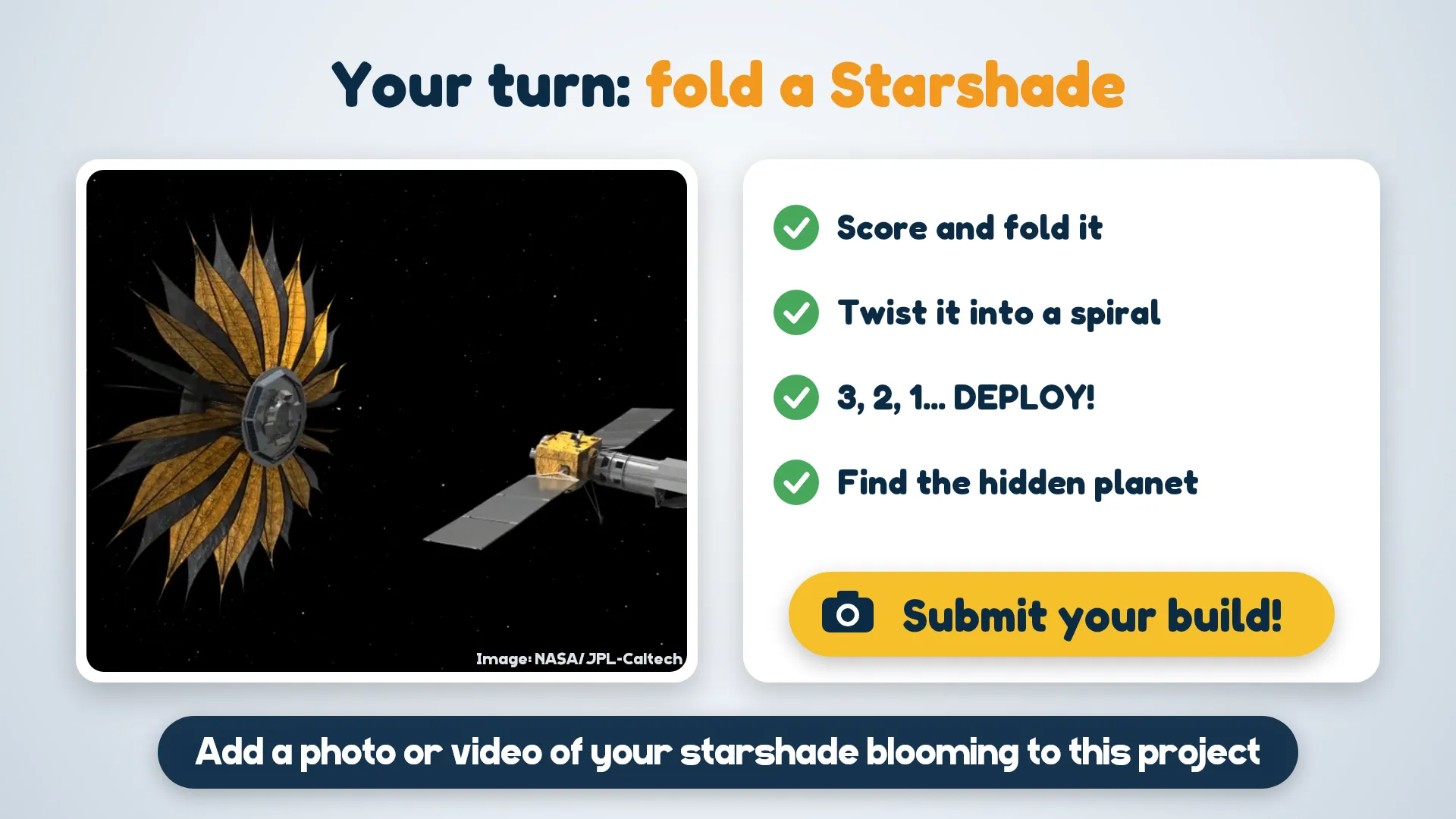
      Your turn: fold a Starshade and submit your build

      This project is from Gen Alpha Episode 2 on Ahasa TV. Watch the episode to see the starshade twist up small and bloom open, then follow the steps below to fold your own!

      Rockets are narrow, so everything that goes to space has to fold up small. A starshade is a giant space flower, about the size of a baseball field when it's open. It flies in front of a telescope and blocks the bright glare of a star, so the telescope can see the small planets going round it. Engineers at NASA JPL unfold their test model again and again on Earth to make sure it will open in space.

      Images: NASA/JPL.

      Print the Starshade template and cut along the dashed black outline. The key on the sheet shows you what each colour means.

      Template based on NASA JPL Education's "Space Origami: Make Your Own Starshade".

      Lay a ruler along each thick line and press along it with an empty ballpoint pen. This "scoring" makes the paper fold neatly exactly where you want it.

      With the printed side up:

      1. Fold every thick blue line as a mountain fold (the crease points up at you, like a mountain).
      2. Fold every thick orange line as a valley fold (the crease points down, like a valley).
      3. Optional: fold the thin lines the same way, blue for mountain and orange for valley.

      Crease every fold firmly, then open the sheet flat again.

      Hold the centre flat and gently twist it. The folds close up one by one and the starshade wraps into a tight spiral around the centre. Now it's small enough to "fit in a rocket", just like the real one!

      Count down together: 3, 2, 1, DEPLOY! Untwist the centre and watch your starshade bloom open like a flower, the same way the real one opens in space.

      Turn off the lights. Shine a bright torch (the star) and hold a small LED or bead (the planet) next to it. From across the room, the planet is hard to see in the glare. Now hold your starshade in front of the torch so it blocks the light. Can you see the planet now? That's exactly how a starshade helps a telescope find new worlds!

      Animation: NASA/JPL-Caltech.

      Now it's your turn to make a starshade:

      1. Score and fold it.
      2. Twist it into a tight spiral.
      3. Count down 3, 2, 1... DEPLOY! and let it bloom.
      4. Use it to block the "star" and find the hidden planet.

      Then submit your build: click I built this at the top of this project and add a photo or short video of your starshade twisting shut and blooming open.

      Bonus challenge: colour your starshade like a flower before you fold it, or try a bigger one on A3 paper. Does it still open with one twist?

      Image: NASA/JPL-Caltech.
      Featured
      Other
      Build The Spiral - GenAlphaE05
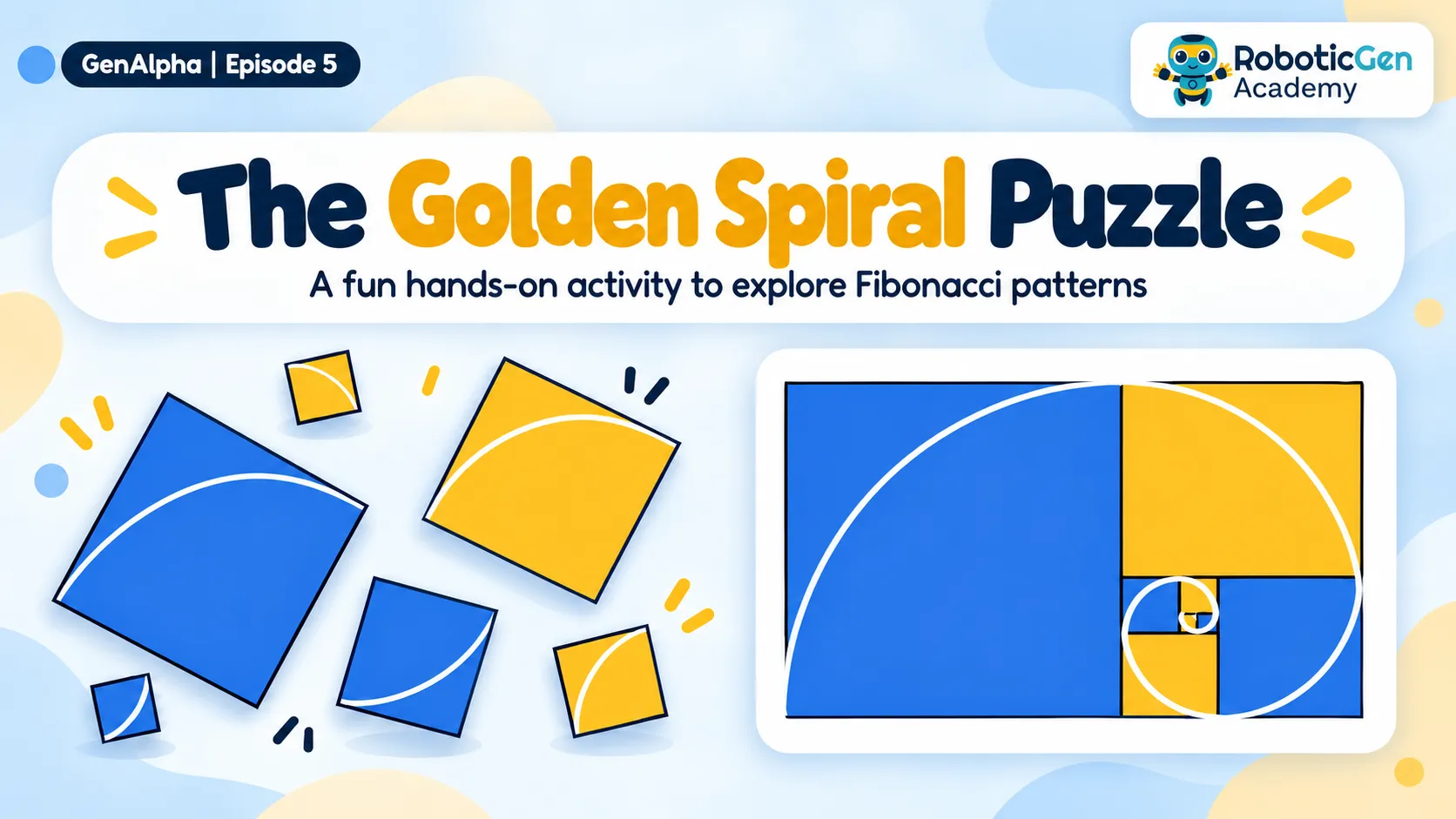
      The Golden Spiral Puzzle is a fun, hands-on activity that introduces students to the Fibonacci sequence and geometric patterns. Students repeatedly draw the largest possible square within the remaining rectangle, using its shorter side as a guide. They then connect quarter-circle curves to form a spiral. Finally, students colour and number the squares, exploring the relationship between mathematics, geometry, and patterns found in nature.
      by Nimantha Adikaram
      Likes:0Stars:0Views:4
      Featured
      3D Printing
      The Fibonacci Gauge - GenAlpha E05
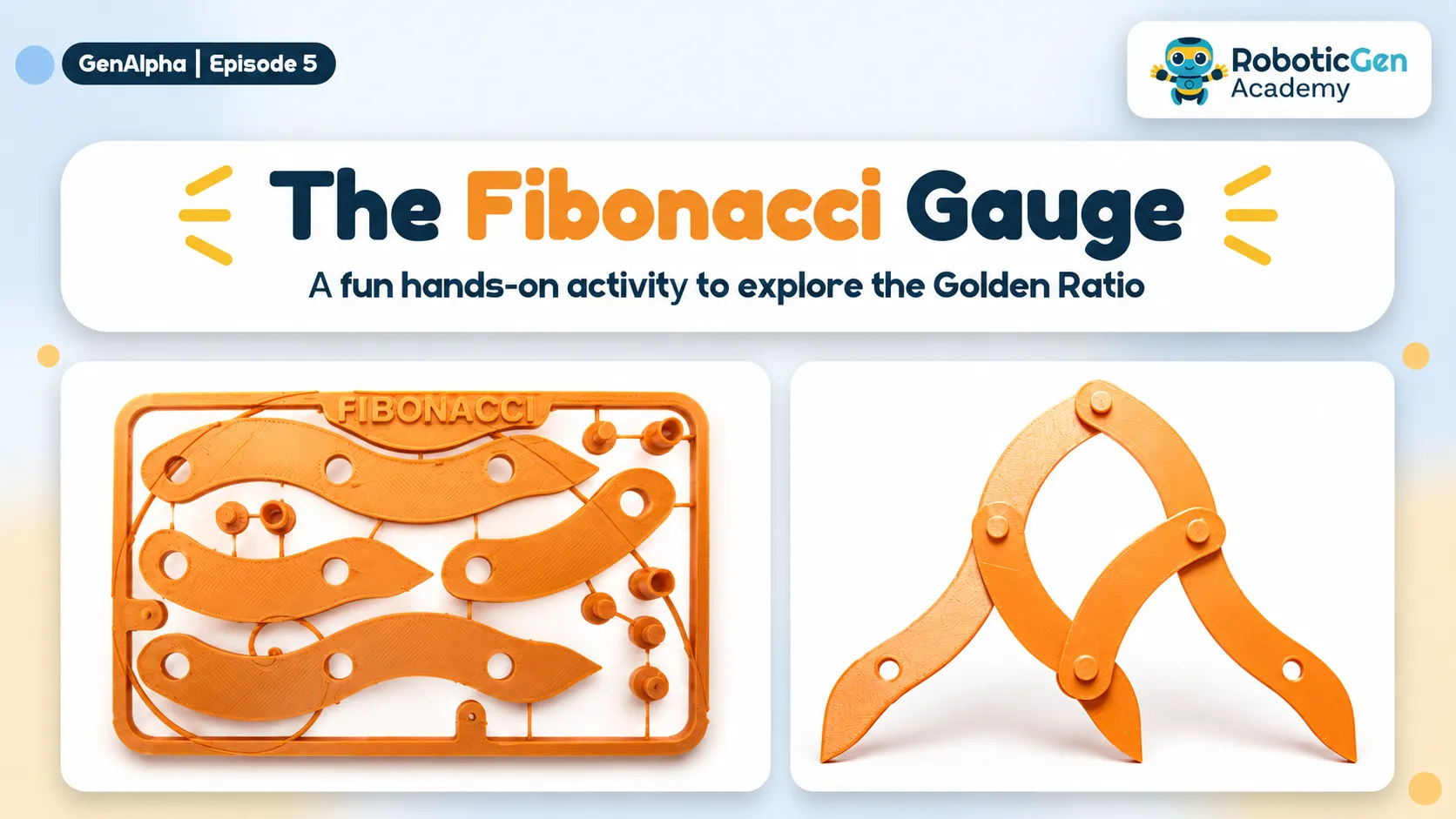
      The Fibonacci Gauge is a hands-on STEAM activity that introduces students to the Fibonacci sequence, the Golden Ratio (1.618), and mathematical proportions. Students assemble a movable measuring tool using interconnected arms and pivot joints. By opening and closing the gauge, they can explore how the Golden Ratio remains approximately constant and compare proportions in everyday objects such as books, smartphones, and picture frames.
      by Nimantha Adikaram
      Likes:
      Featured
      Other
      Starshade - GenAlpha E02
      NASA designed a giant "space flower" that folds up small enough to fit in a rocket, then blooms open to block a star's glare so we can see its planets. Fold your own paper starshade that wraps into a spiral and opens with a twist, then test it with a torch.
      by Odil Janandith
      Likes:0
      Featured
      Robotics
      Snailbot - GenAlpha E02
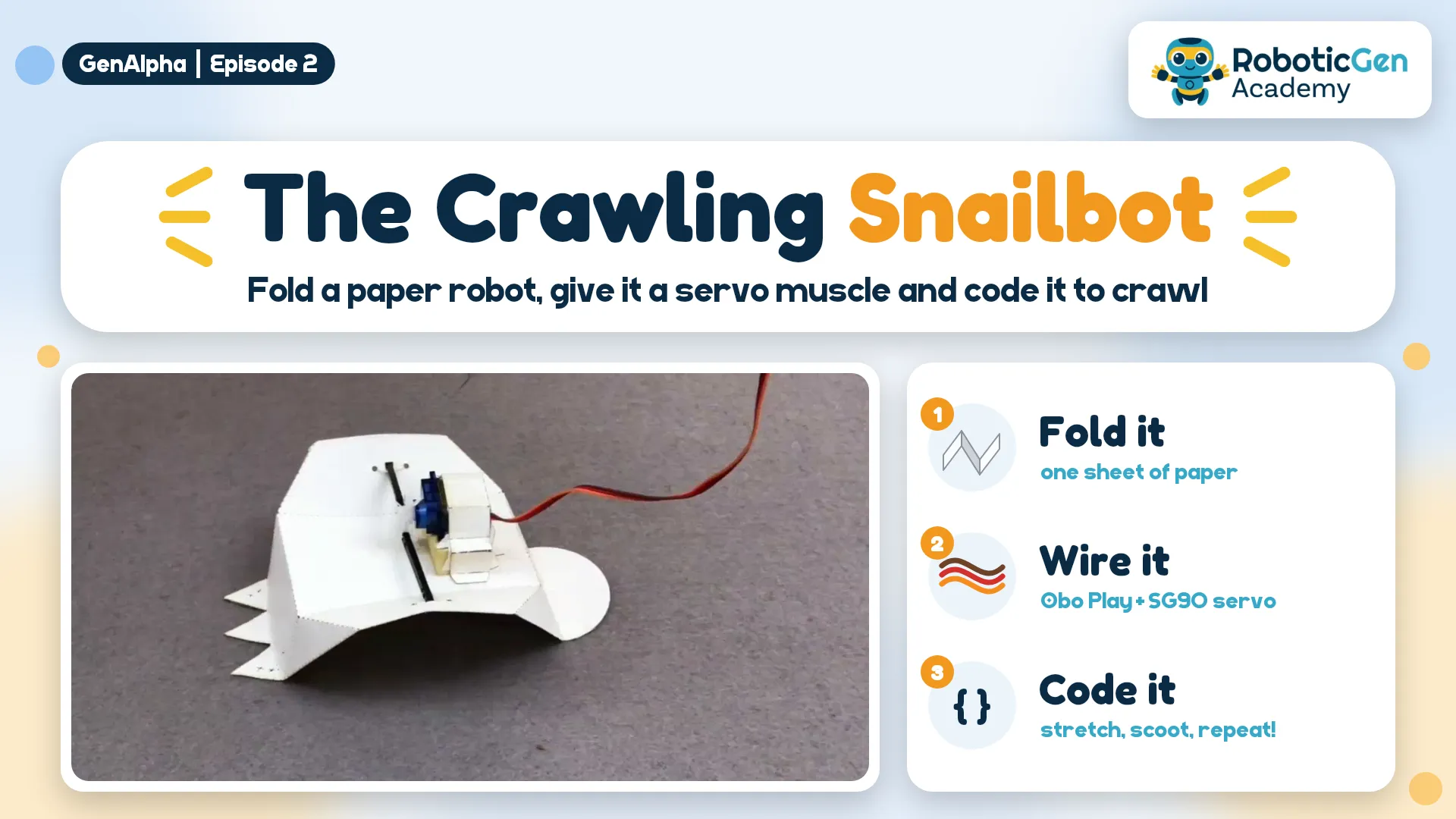
      Cut and fold a paper Snailbot, make it crawl by hand, then give it a brain and a muscle. An Obo Play (ESP32) tells an SG90 servo what to do, and a few lines of code make the snail crawl by itself.
      by Odil Janandith
      Likes:0Stars:
      Featured
      3D Printing
      Easy Grip - GenAlpha E04
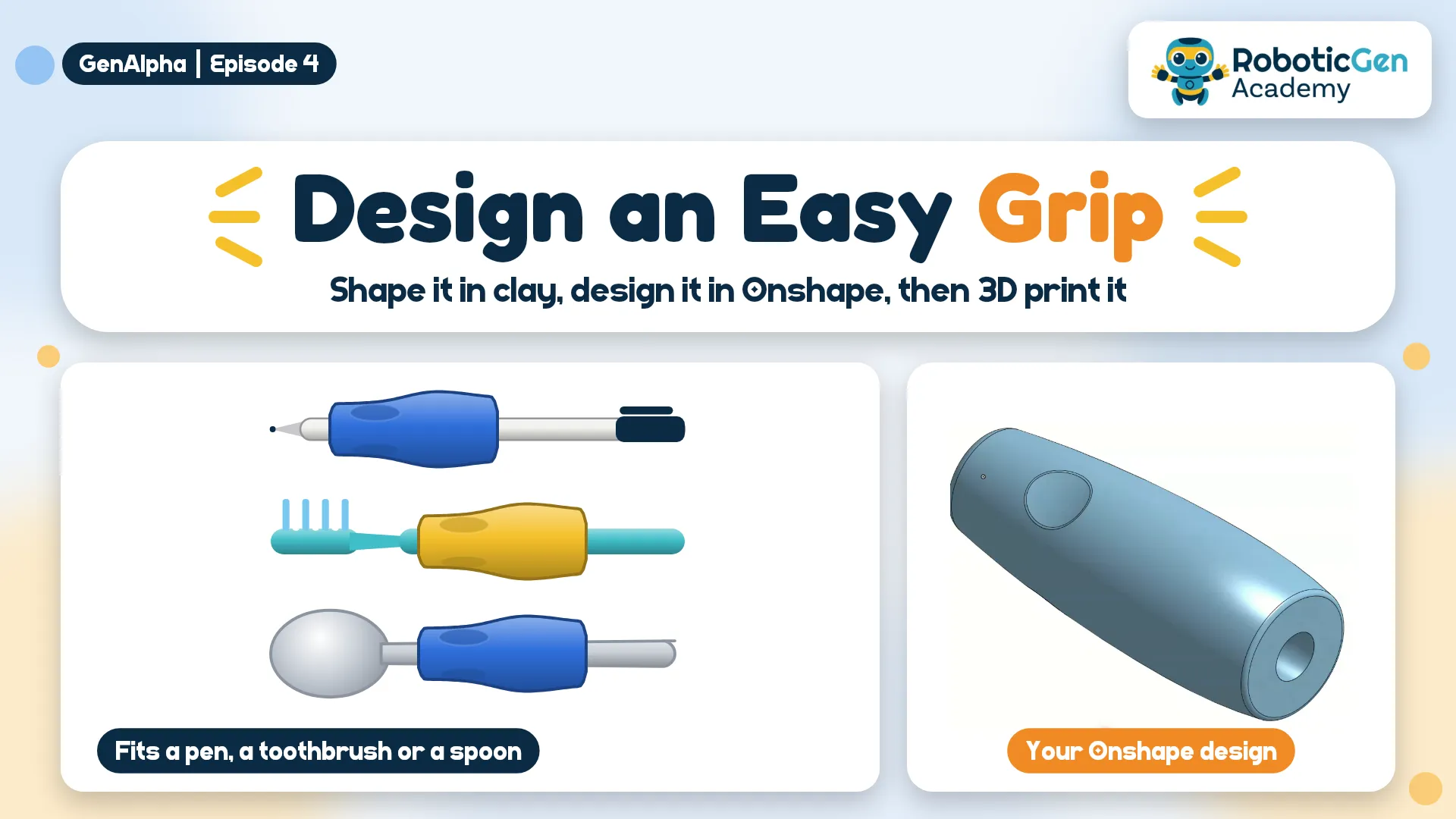
      Some people have stiff or sore hands and find thin pens, spoons and toothbrushes hard to hold. Shape the perfect grip with Play-Doh, measure it, then design a fat handle with three finger grooves in Onshape and 3D print it.
      by Odil Janandith
      Likes:1Stars:
      Featured
      3D Printing
      3D Printed Box - GenAlpha E04
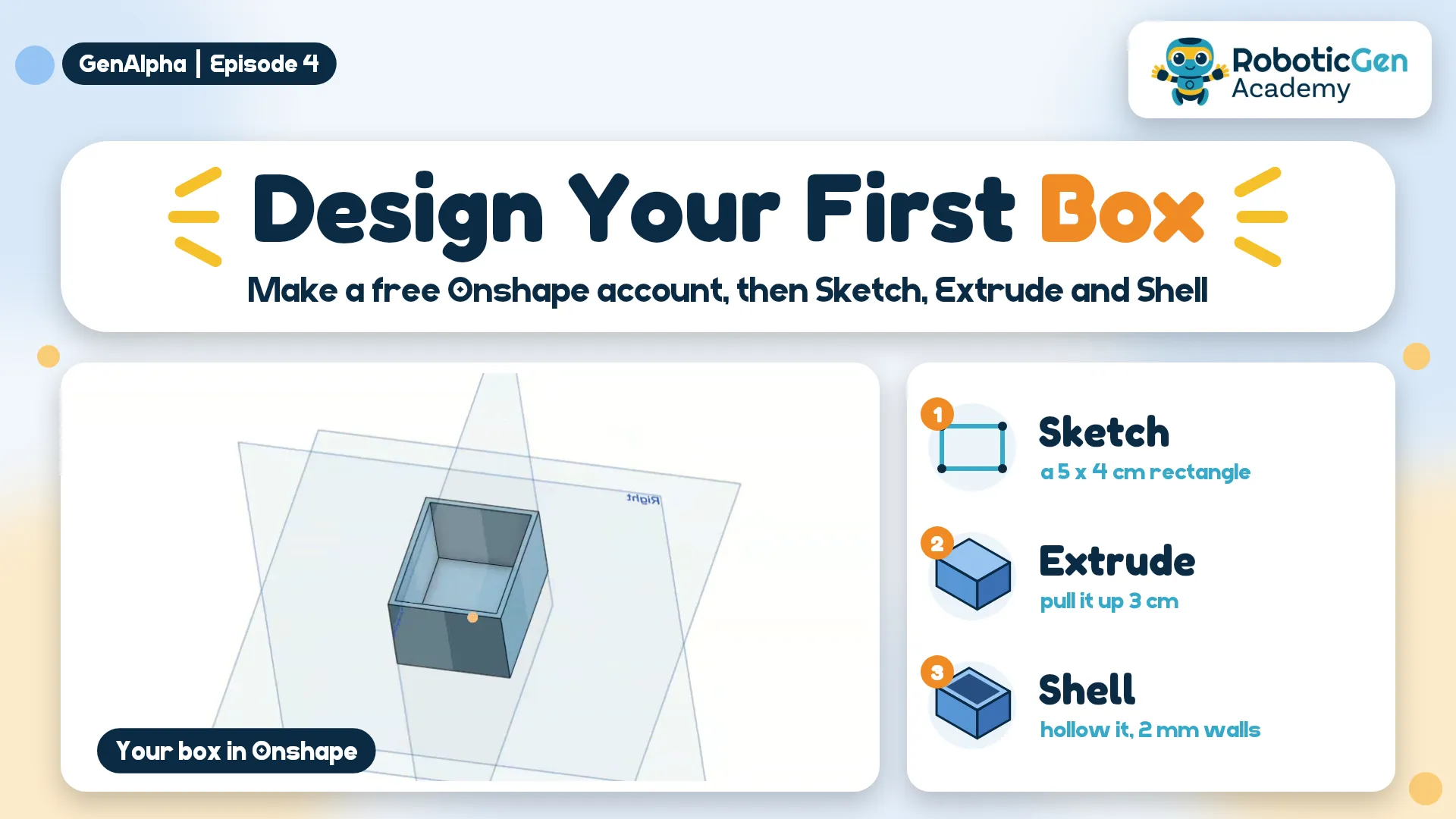
      Make a free Onshape account, then design a hollow 5 × 4 × 3 cm box using just Sketch, Extrude and Shell. It's ready to 3D print and makes a great first CAD project.
      by Odil Janandith
      Likes:1Stars:0
      Featured
      Other
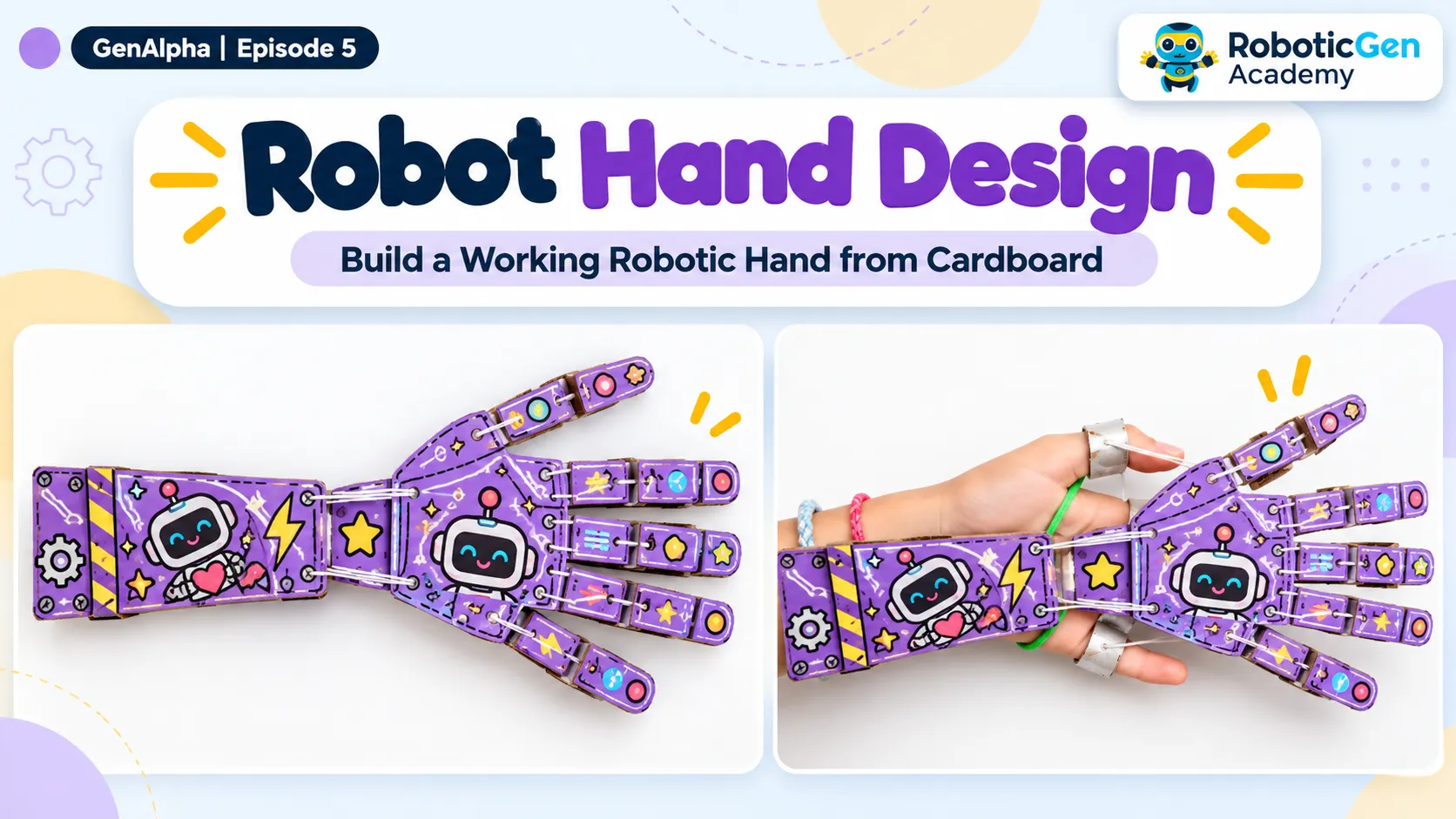
      Robot Hand Design - GenAlpha E03
      This project demonstrates a simple cardboard robotic hand that mimics finger movement using straws and strings. The cardboard forms the hand structure, the straws guide the strings, and pulling the strings bends the fingers like tendons in a real hand. It is a simple way to learn about robotics, joints, and human hand movement.
      by Nimantha Adikaram
      Likes:3
      Robotics
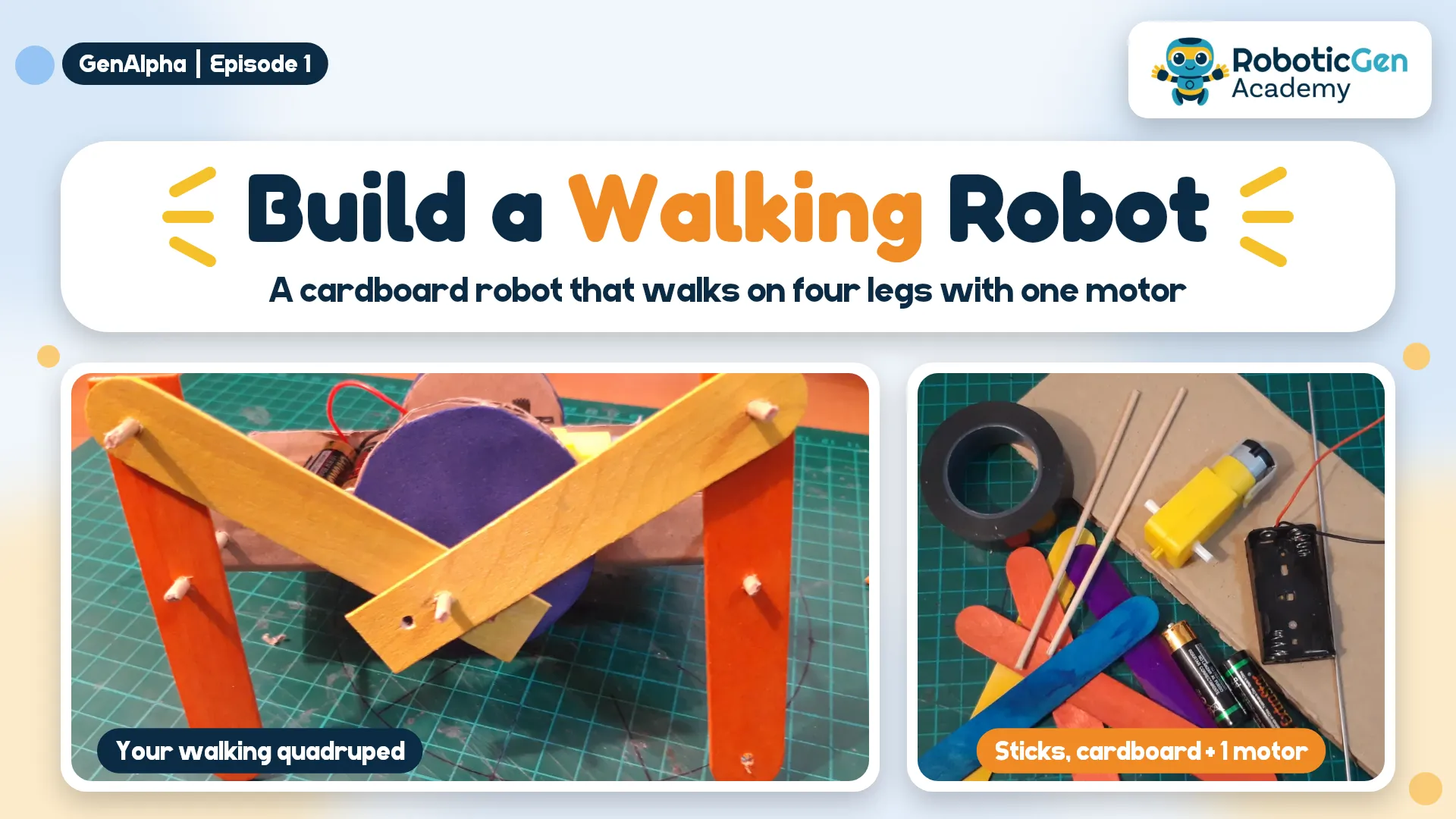
      Quadruped Robot - GenAlpha E01
      Dogs, cats and horses walk on four legs. Can a robot? Build a small cardboard robot with ice cream stick legs that walks by itself, powered by just one motor and two AA batteries.
      by Odil Janandith
      Likes:0Stars:0Views:1
      0
      Stars:0
      Views:6
      Stars:
      0
      Views:2
      0
      Views:1
      0
      Views:6
      Views:6
      Stars:
      1
      Views:16